





Download App

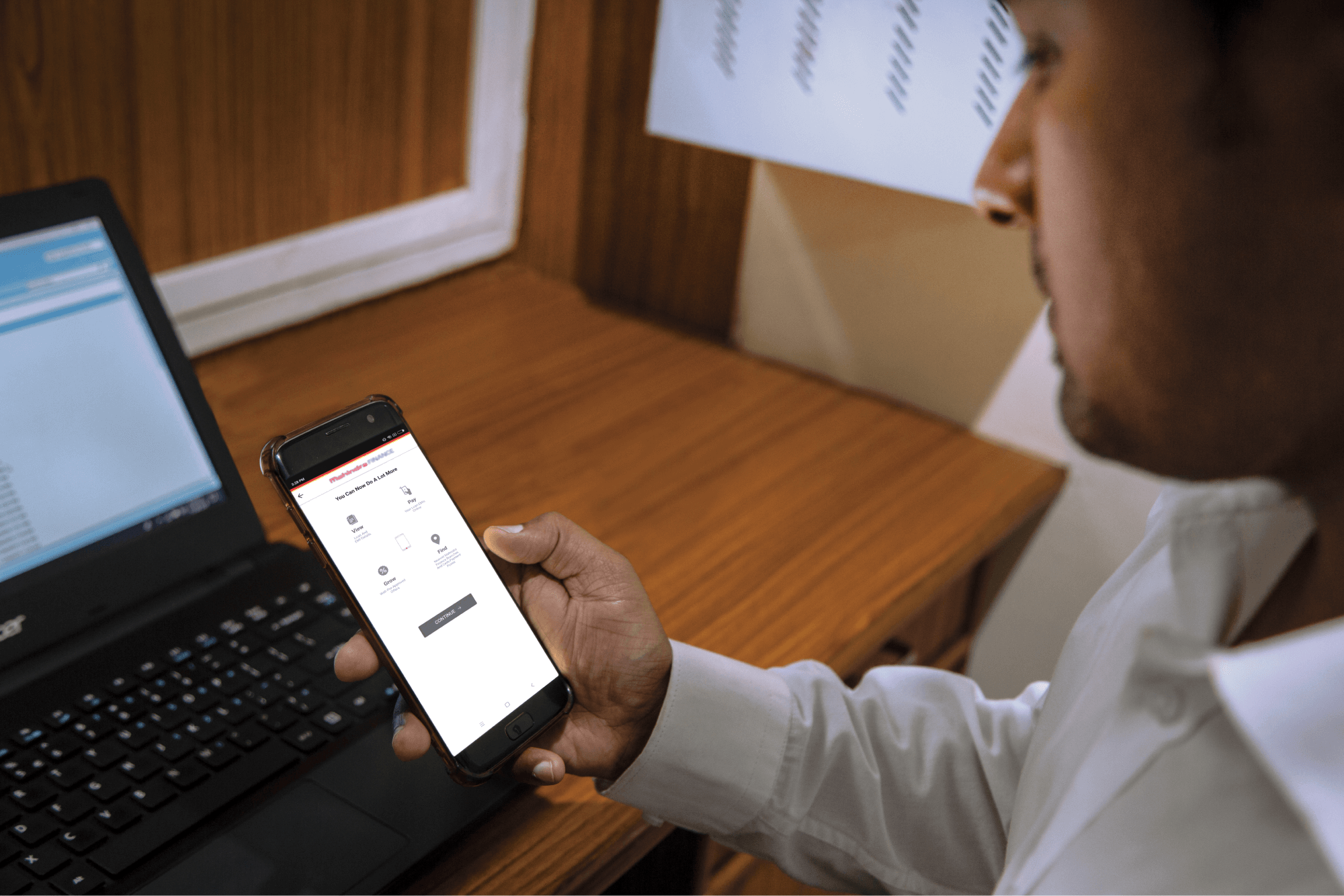
Conveniently pay your EMIs, set payment reminders, view your loan details.


 Microdrama Series
 Scam ka Kaam Tamam
Your KYC details belong with trusted institutions, not strangers.


2:10 min

Fake Loan Offer

Warning signs, common tricks and how to stay safe
In this episode of Scam Ka Kaam Tamam, Link Lata receives a seemingly innocent call from Chaalbaaz Chintu about updating her KYC details. What starts with questions about her mobile number and bank account soon escalates to requests for her Aadhaar details and OTP. Instead of sharing sensitive information, Lata recognizes the warning signs and exposes the scam before any damage can be done.
An identity theft scam occurs when fraudsters collect personal information such as Aadhaar details, account numbers, passwords, or OTPs and use them to gain unauthorized access to financial accounts or commit fraud. These scams often appear as KYC verification requests, account update notifications, or security checks. In many cases, victims unknowingly share information that can later be used for document fraud or financial fraud.
Many KYC frauds in India begin with calls or messages claiming that account verification is pending or incomplete. People often wonder, “KYC is safe or not?” or “Is KYC verification safe?” The answer is yes—but only when it is conducted through official channels of a bank, lender, or authorised institution. A KYC scam typically involves requests for sensitive information through unknown calls, messages, or links. Similarly, OTP fraud occurs when scammers trick people into sharing one-time passwords that can be used to authorise transactions. Always verify the source before sharing personal information, and remember that genuine institutions will never ask for confidential details or OTPs over a phone call.

Your form has been submitted successfully.



























































 Quick Pay
 Apply Now
 Grievance & Support