

























































Quick Summary
Verify all paperwork first: Check registration certificate, insurance records, service history, PUC certificate, and road tax receipts to confirm legal ownership and spot red flags like frequent accident claims
Inspect exterior and interior thoroughly: Look for dents, rust, uneven paint (signs of accidents), check if all switches and controls work, and examine seats and dashboard for wear that indicates neglect
Assess mechanical condition: Check the engine for leaks and unusual noises, examine exhaust smoke, inspect tyres for uneven wear, and test the suspension by pushing down on each corner of the car
Always take a proper test drive: Drive on different road conditions, test acceleration, braking, and steering responsiveness, and listen for any rattling or vibrations before finalising the deal
Get Quick & Easy Used Car Loan with Mahindra Finance!

Buying a car is often one of the most exciting financial decisions you’ll make. But when you step into the world of second-hand vehicles, the excitement usually mixes with a fair bit of nervousness. After all, no one wants to pay a tidy sum only to realise the car comes with a host of hidden problems. That’s where a solid second-hand car buyers’ guide comes into play.
A properly used car-buying checklist can save you from sleepless nights later. By learning the right used car buying tips and asking smart questions, you can make sure the vehicle you drive home is worth every penny.
1. Verify Vehicle History and Documentation
When it comes to tips for buying used cars, this one sits right at the top. Paperwork isn’t the most thrilling part of a car purchase, but it is the most critical. Without proper documentation, your dream car could turn into a legal headache. Start by reviewing the registration certificate to confirm ownership details. Ensure the seller’s name matches their ID proof. Next, check the insurance papers to see if claims were made frequently, as this may suggest a history of accidents or damage. The pollution under control (PUC) certificate and road tax receipts should also be up-to-date.
Additionally, ask for the service history. A car with a well-maintained record is usually a safer bet. Verifying these documents not only prevents fraud but also gives you insight into how responsibly the car has been treated over the years.
2. What to Inspect in the Car’s Exterior and Interior
Of course, documentation alone can’t tell you everything. The physical condition of the car speaks volumes. While you might be dazzled by a shiny coat of paint or a detailed interior, don’t let appearances fool you. A proper inspection is a must on your used car buying checklist.
- Key Elements to Examine on the Car’s Exterior
Begin with the basics: walk around the vehicle. Look closely for dents, scratches, rust spots, or uneven gaps between panels. These could be signs of poor repair work or even prior accidents. Pay attention to the headlights, taillights, and mirrors. These replacements can cost more than you think.
Don’t forget to check the windshield and windows for cracks or chips. While small chips may look harmless, they can spread and lead to costly replacements. A good practice is to observe the paintwork under natural sunlight, as artificial lighting conditions can hide imperfections.
- Key Elements to Inspect Inside the Car
Now step inside. Here’s where you must keep your eyes sharp. Look at the condition of the seats, dashboard, and upholstery. Are there unusual stains, cracks, or tears? These might suggest neglect.
Test all the switches and knobs. This includes air conditioning, infotainment, lights, indicators, and power windows. Even a minor malfunction here can be irritating in the long run. Inspect the odometer as well. A suspiciously low reading could indicate tampering.
3. Signs of Previous Accidents or Poor Maintenance
This is one of the smartest tips for buying second-hand car. Learn how to spot hidden damage. Uneven paint shades, misaligned doors, or welding marks in the boot area often suggest that the car has been through repairs.
Additionally, check under the hood for oil leaks, unusual smells, or rusted parts. Even if the car looks fine, such signs could reveal a history of poor maintenance. Always remember: what the eyes don’t see, the pocket eventually feels.
4. Assess Mechanical and Engine Condition
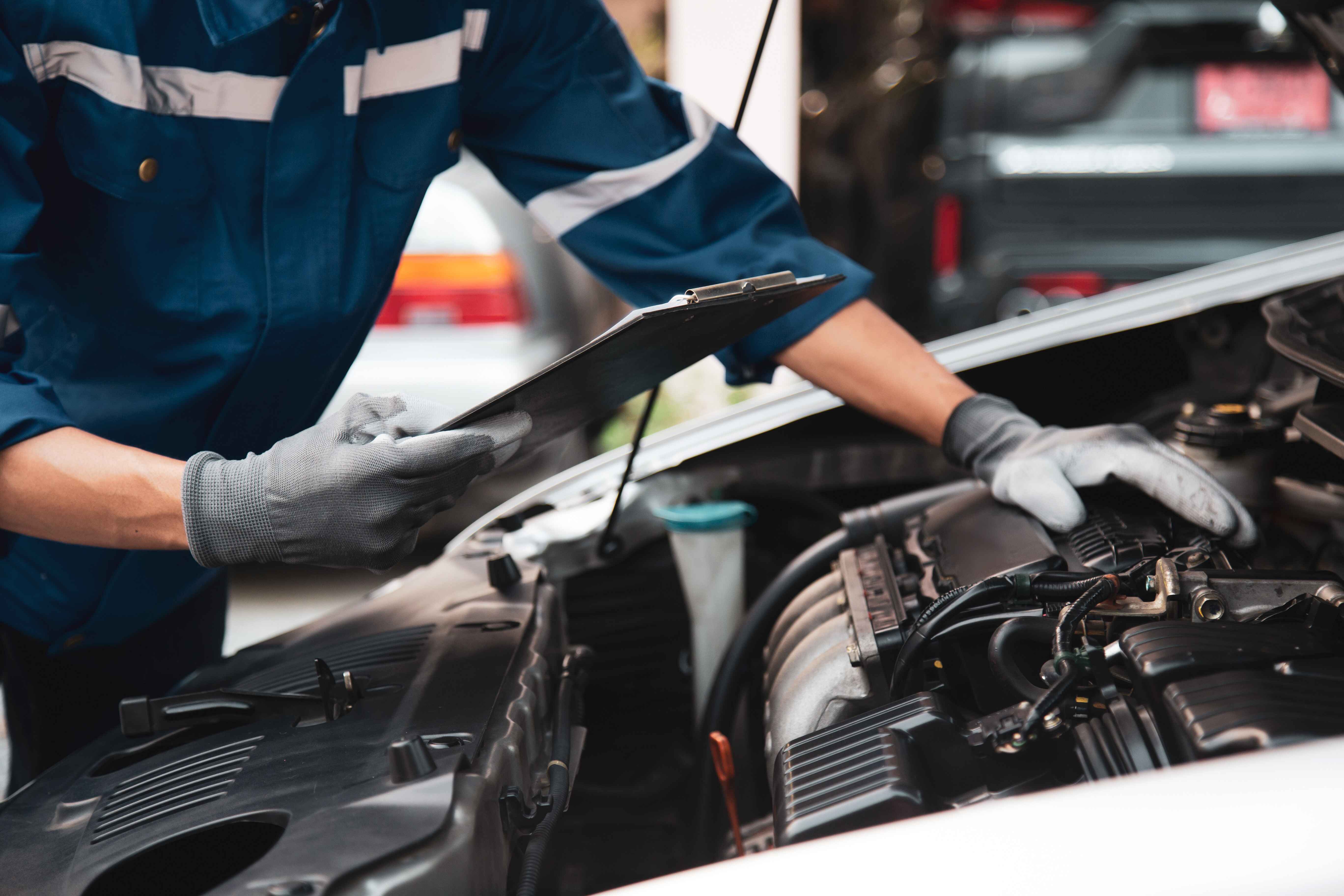
The heart of the car lies in its engine. Lift the hood and observe the engine bay carefully. Are there visible leaks, excessive dirt, or frayed belts? Start the engine and listen for unusual noises like knocking or rattling.
Take note of how smoothly it idles. A well-maintained engine usually purrs quietly, while a neglected one will make its complaints known. Check the exhaust as well: thick black or blue smoke is a red flag. If you’re unsure, it’s wise to bring along a trusted mechanic to give a professional opinion.
5. Evaluate Tyres and Suspension System
A car’s tyres tell you more than you’d imagine. Uneven tyre wear could point toward issues with wheel alignment, suspension, improper tyre pressure, or worn shock absorbers. Check the tread depth; worn-out tyres will need replacement soon, which adds to your immediate costs.
Push down gently on each corner of the car. If the vehicle bounces excessively, the suspension may be weak. Listen for unusual sounds when steering the wheels or when driving over a bump. These small checks can save you from future repair bills that often go unnoticed during a rushed purchase.
Suggested Read: Should You Opt For A Used Car Loan? Complete Guide
Take a Thorough Test Drive
One of the most valuable used car buying tips is this: never finalise a deal without a proper test drive. This step is non-negotiable. While on the road, pay attention to how the car starts, accelerates, brakes, and turns. Does the steering feel too loose or too stiff? Do the brakes respond promptly?
Listen for rattling noises or vibrations. Check if the air conditioning cools evenly. Drive the car on different road conditions, such as smooth highways and bumpy streets. This not only tells you about comfort but also reveals underlying mechanical issues.
A good test drive gives you the confidence to proceed or the caution to walk away. Both outcomes are equally valuable in your used car buying journey.
Conclusion
By now, you can see that a used car purchase is far more than just a price negotiation. It’s about carefully ticking off a used car buying checklist that protects both your wallet and your peace of mind. Whether it’s verifying documents, inspecting the condition, or taking that all-important test drive, each step is a layer of security.
Smart second-hand car buyers know that vigilance pays off. Used car buying advice isn’t about making the process complicated; it’s about ensuring you don’t regret your decision. By combining patience with awareness, you’ll not only save money but also secure a reliable vehicle that serves you for years. After all, nothing feels better than knowing your investment was a wise one.
Suggested Read: Benefits Of Using Used Car Loan EMI Calculator
FAQs on Tips for Buying Second-Hand Car
Q1. What documents should I ask for when buying a used car?
Always request the registration certificate, insurance papers, road tax receipts, PUC certificate, and the service history. These documents confirm legal ownership and give you insights into the car’s background.
Q2. How can I find out if a used car has been in an accident?
Look for uneven paint, welding marks, or misaligned panels. Review insurance claim history and, if possible, have a mechanic inspect the car for hidden structural issues.
Q3. What is the best time of year to buy a used car?
Year-end or festive seasons are often good times, as sellers may be eager to close deals. Additionally, buying just before a new model launches can get you better prices.
Q4. Is it safe to buy a used car from a private seller?
It can be, provided you verify all documents and conduct a proper inspection. Private sellers may offer lower prices, but you’ll need to be extra careful with paperwork and maintenance checks.
Q5. What financing options are available for second-hand cars?
Banks, credit unions, and even non-banking financial companies (NBFCs) offer loans for used cars. Compare interest rates, processing fees, and repayment terms before choosing a lender.


 Quick Pay
 Apply Now
 Grievance & Support