

























































Quick Summary
- Why the EV Boom? India’s EV market is projected to reach $110.7 billion by 2029. Drivers are switching to save on fuel/maintenance, reduce pollution, and utilise government incentives.
Get Quick & Easy Car Loan with Mahindra Finance!

- Key Benefits:
- Cost: Lower running costs compared to petrol/diesel.
- Environment: Zero tailpipe emissions support cleaner air goals.
- Incentives: Government schemes (like PM E-DRIVE and state subsidies) help lower upfront costs.
- How to Choose an EV:
- Budget: Consider the total cost of ownership (insurance + potential battery replacement).
- Range: Ensure the real-world range covers your daily commute with a buffer.
- Infrastructure: Check for charging stations near your home/office and the brand’s service network.
- Usage: Compact cars (like Comet EV) for city traffic vs. SUVs (like XUV400) for family/highway trips.
Top Affordable Picks:
- MG Comet EV: A compact city hatchback.
- Range: ~230 km | Real-world: ~190 km | Charge: 0-80% in 5.5 hrs (AC).
- Best For: Urban commuting and tight parking spots.
- Tata Tiago EV: India’s most affordable electric hatchback.
- Range: up to 315 km | Real-world: 210-230 km | Charge: Fast charge (10-80%) in ~58 mins.
- Best For: Daily use with a balance of comfort and efficiency.
- Citroen e-C3: A hatchback with SUV-like ground clearance (170mm).
- Range: 320 km | Real-world: ~220 km | Charge: 10-80% in 57 mins (DC Fast).
- Best For: Spacious cabin and comfortable ride quality.
- Mahindra XUV400: A powerful electric SUV.
- Range: up to 456 km | Real-world: 310-330 km (top variant with 39.4 kWh battery) | 0-100 km/h: 8.3 seconds.
- Best For: Performance, long drives, and safety (6 airbags).
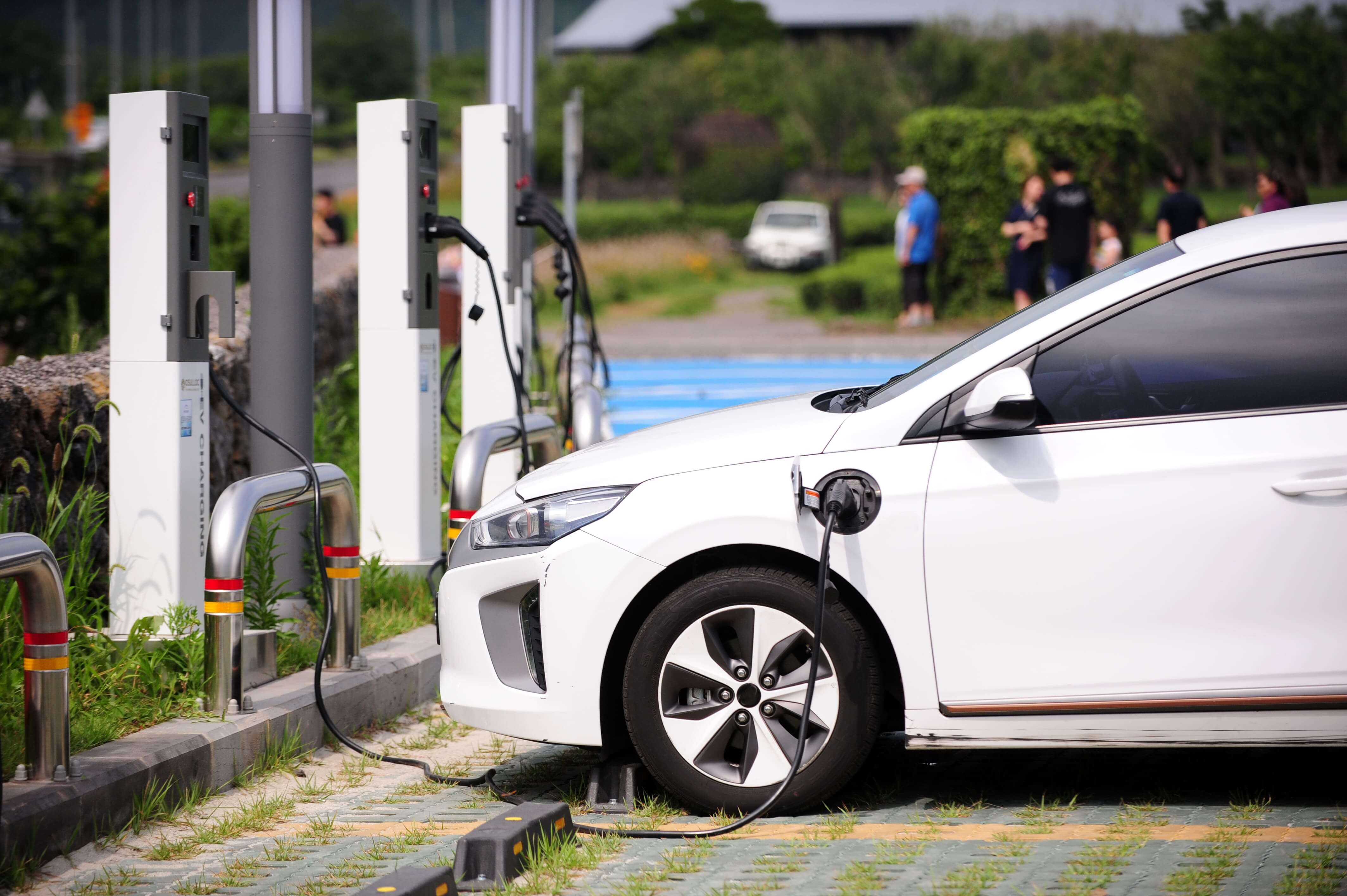
Electric cars are slowly turning into something you see everywhere, from busy city streets to quiet neighbourhoods. A few years ago, EVs felt niche or experimental, but today the market has exploded. Analysts expect India’s EV sector to hit around $110 billion by 2029, which is huge considering where it started. Fuel prices, pollution, and better technology are all pushing people to rethink what they drive.
If you’ve been curious about EVs but don’t want something too expensive or complicated, the good news is that several affordable models are now available. Here’s a look at why people are switching, what you should think about before buying, and which budget-friendly EVs are worth exploring.
Why Consider Affordable Electric Cars in India?
Cost-Effectiveness
Charging an EV costs far less than filling a petrol or diesel tank. Maintenance is lighter too, no oil changes, fewer moving parts, and fewer surprise repairs.
Environmental Benefits
EVs don’t puff out exhaust smoke, which helps reduce city pollution. It’s a small step, but when thousands of people make it, it makes a massive difference.
Government Incentives
Schemes like PM E-DRIVE shave off a bit of the upfront cost, lowering the entry barrier.
Criteria for Choosing the Best Affordable Electric Car
Pricing and Budget
Make a budget and stick to a total number that includes insurance and registration. Batteries last long, but keep their eventual cost in mind anyway.
Range and Battery Life
Buy a range that covers your real daily usage, not the optimistic weekend plan you may never do. Most city users don’t need huge ranges.
After-Sales Service and Charging Infrastructure
Companies like Tata and Mahindra generally have stronger networks. Also, check whether chargers are easily available where you live or travel.
Personal Driving Needs
Small hatchbacks are perfect for tight city commutes. SUVs suit bigger families or anyone who travels regularly.
Top Affordable Electric Cars Available in India
The Indian electric vehicle market has advanced a long way. Let’s take a look at some of India’s most popular and affordable electric car models, which offer the ideal balance of performance, efficiency, and pricing.
MG Comet EV
This one is almost like a smart gadget on wheels. Tiny, practical, and designed for crowded cities. Parking it feels almost too easy, and the cabin surprisingly doesn’t feel cramped.
Highlights:
Battery: 17.3 kWh
Range: 230 km (ARAI)
Motor: 42 PS, 110 Nm
Charging:
3.3 kW: about 7 hours
7.4 kW AC: around 3.5 hours (FC variants)
Safety: ABS, dual airbags, ESC, Hill Hold
Tech: Two 10.25-inch screens, wireless smartphone integration
Price: ₹7.49–9.99 lakh
Tata Tiago EV
This is one of the most practical EVs you can buy right now. Affordable, familiar, and almost as easy to maintain as a scooter. Great for daily use.
Highlights:
Battery Options: 19.2 kWh (MR), 24 kWh (LR)
Range: Up to 315 km
Power:
MR: 60.34 bhp
LR: 73.75 bhp
Charging:
3.3 kW: ~8.7 hrs
7.2 kW: ~6.9 hrs
DC fast charger: 10–80% in 58 mins
Safety: ABS, EBD, dual airbags
Price: ₹7.99–11.14 lakh
Citroën ë-C3
If you like a slightly taller car but still want hatchback-like ease, this one sits nicely in the middle. Citroën also gives a lot of customisation choices, which makes it feel different.
Highlights:
Battery: 29.2 kWh
Range: 320 km
Motor: 57 PS, 143 Nm
Charging: 10–80% in about 57 minutes (DC)
Comfort: 315-litre boot, soft suspension
Warranty:
Battery: 7 yrs / 1.4 lakh km
Vehicle: 3 yrs / 1.25 lakh km
Price: ₹12.90–13.53 lakh
Mahindra XUV400
A proper electric SUV, not just an EV for short hops. If you need space and want something stronger than a small hatchback, this is worth a look.
Highlights:
Battery: 39.4 kWh
Range: Up to 456 km (MIDC)
Performance: 0–100 km/h in about 8.3 seconds
Safety: 5 star BNCAP rating, Six airbags, ESP, disc brakes on all wheels
Interior: 10.25-inch display, connected features
Price: ₹15.49–17.69 lakh
Visit Mahindra Finance to explore customised loan plans for electric vehicles, including the Mahindra XUV400 and other upcoming EVs from the brand.
Where to Find the Best Deals on Electric Cars in India
- Check what subsidies your state offers under programs like PM E-DRIVE.
- Dealers often run festivals or stock-clearance discounts on EVs.
- Many lenders, including Mahindra Finance, have specific EV loan schemes that reduce interest or offer easy EMIs.
Final Thoughts
EVs in India have shifted from “future tech” to everyday reality. They’re cleaner, quieter, cheaper to run, and surprisingly capable for daily life. Whether you want a tiny city car like the MG Comet or a larger family EV like the XUV400, there’s something for almost every budget.
Flexible loan plans from financiers like Mahindra Finance make the switch even easier, especially if you want predictable EMIs and quick approvals. With fuel prices always rising, an EV might simply be the more comfortable long-term choice.
FAQs On Affordable Electric Car in India
Q1. What are the cheapest electric cars available in India?
Top budget-friendly picks include the MG Comet EV, Tata Tiago EV, Citroen E-C3, and Mahindra XUV400.
Q2. How do government incentives reduce the cost of electric cars in India?
The PM E-DRIVE scheme and state subsidies can reduce the effective price by up to ₹1.5 lakh per vehicle, alongside tax rebates and reduced GST rates, making EVs significantly cheaper.
Q3. Are affordable electric cars reliable for long-distance travel in India?
Modern budget EVs offer ranges from 150 to over 300 km. This is more than adequate for intercity and highway journeys. Rapid charging stations are also growing across India.
Q4. How does the cost of maintaining an electric car compare to petrol or diesel vehicles?
EVs have simpler mechanisms, need less frequent servicing, and avoid expensive repairs like engine or exhaust work. This drastically reduces maintenance costs.
Q5. What factors should I consider before buying an affordable electric car in India?
Focus on total cost after subsidies, range for your driving patterns, after-sales support, charging network access, and your financing options, where Mahindra Finance can help with tailored loans and advice.



 Quick Pay
 Apply Now
 Grievance & Support