



























































Quick Summary
Get Quick & Easy Car Loan with Mahindra Finance!

- Performance: Electric cars deliver instant torque and smooth acceleration, while petrol cars offer sustained power and familiar engine responsiveness, especially at higher speeds
- Costs: EVs have higher upfront prices but lower running costs (cheaper electricity, and maintenance costs about one-third of petrol car expenses). Petrol cars are more affordable initially, but cost more to fuel and service
- Convenience: Petrol cars refuel in minutes at widely available stations, while electric cars take 30 minutes to several hours to charge and require planning for longer trips, though home charging suits daily use
- Environmental Impact: Electric vehicles produce zero tailpipe emissions and have a smaller carbon footprint, though battery production remains a challenge. Petrol cars contribute to greenhouse gases and air pollution
- Best Choice: EVs suit low-mileage city drivers seeking eco-friendly, quiet operation with low running costs. Petrol cars work better for long-distance, rural, or high-mileage drivers who need flexibility and quick refueling
- The Bottom Line: Neither option is universally superior. Your ideal choice depends on your daily commute, budget, access to charging infrastructure, and driving preferences
What Should You Buy Next: Electric Car vs Petrol Car?
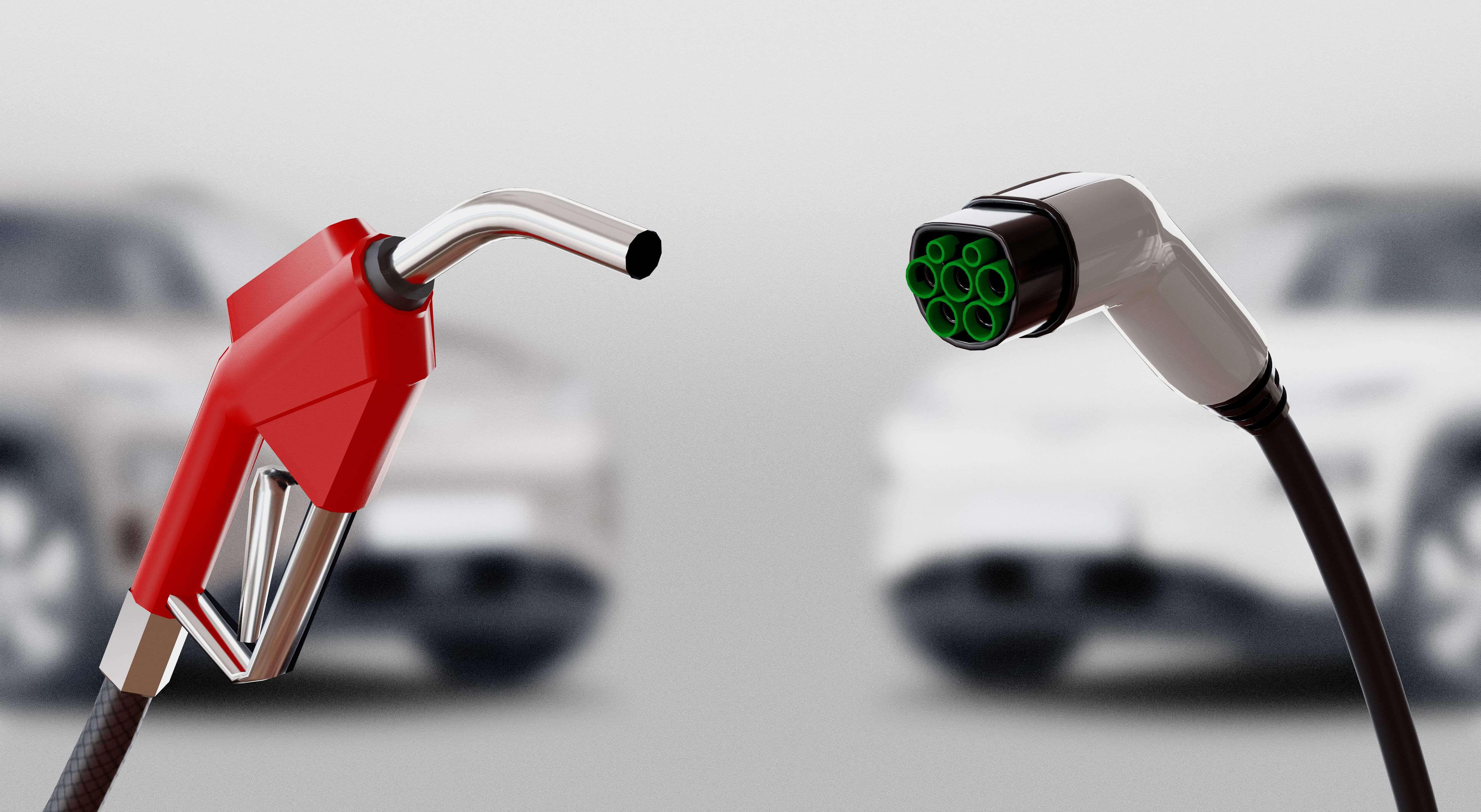
Choosing a new vehicle for yourself or your family is an exciting process, and today, it often involves a key decision: should you opt for an innovative electric vehicle or a traditional petrol car? Each presents a compelling case. Electric cars offer the promise of lower running costs and zero emissions, while petrol vehicles provide the convenience of a vast refuelling network and proven performance.
Even after extensive research, it can be challenging to determine which option best aligns with your lifestyle. The right choice is personal. Factors such as your daily commute, typical travel habits, and access to charging infrastructure all play a crucial role.
To help you make an informed decision, this guide offers a clear and balanced comparison of both options, examining their performance, ownership costs, environmental impact, and the day-to-day ownership experience.
Quick Comparison: Electric Car vs Petrol Car
| Feature | Electric Car | Petrol Car |
| Power Source | Battery-powered | Fuel-powered engine |
| Performance | Instant torque, smooth drive | Strong engine response |
| Running Cost | Lower (cheaper electricity) | Higher (fuel cost) |
| Maintenance | Minimal upkeep | Regular servicing |
| Refueling Time | Longer (charging) | Quick (minutes) |
| Range | Improving but limited | Longer distance |
| Environmental Impact | Zero emissions | CO₂ emissions |
| Initial Price | Higher upfront | More affordable |
| Infrastructure | Fewer charging points | Widely available fuel stations |
| Driving Feel | Silent, modern | Engaging, familiar |
Performance Comparison
How Electric Cars Perform on Acceleration and Speed
Electric cars are superior in terms of instant power delivery. With no gears to shift, the power surge from the available instant torque is felt the moment you press the pedal.
Several electric cars now offer a thrilling driving experience with low noise. Even though electric cars perform better in short bursts, they often have electrically limited top speeds, allowing for a longer range and preserving battery life.
Performance of Petrol Cars
On the other hand, because of their raw driving experience, petrol-powered cars continue to be a favoured option. They have outstanding engine responsiveness and sustained power output. This is especially true at higher speeds or during longer drives. Traditional engines are favoured by enthusiasts who appreciate tactile feedback and control because they provide strong acceleration.
Environmental Impact
Why Electric Cars Are More Environmentally Friendly
One of the major benefits of electric cars is their eco-friendliness. They are clean options for driving in cities and lowering air pollution because they produce no tailpipe emissions.
However, producing and disposing of EV batteries remains a challenge. Thankfully, automakers are making significant investments in sustainable mining and battery recycling, initiatives that help make the entire lifecycle cleaner.
Environmental Impact of Petrol Cars
Fuel extraction, refinement, and consumption are the main causes of greenhouse gas emissions from petrol cars. The widespread use of petrol cars significantly impacts air quality, particularly in crowded urban areas like Mumbai. However, some newer petrol engines meet stringent emission standards, proving that innovation isn’t limited to electric vehicles.
Cost Analysis
Initial Purchase Costs
Generally, electric cars come with a higher upfront cost due to battery technology. This initial investment is offset over time by lower running costs and government incentives. As of 2025, benefits like a lower GST rate (5%) and various central and state government rebates can significantly bridge the price gap with comparable petrol cars.
With options for every price range, petrol cars are still more affordable at the point of purchase. This includes everything from small city cars to high-performance SUVs.
Maintenance Costs
Electric cars stand out for their minimal maintenance expenses. They don’t need engine oil changes or complex overhauls, reducing costs to about one-third of a petrol car’s maintenance bill over five years. Petrol cars have more moving parts, requiring regular servicing, including spark plugs, oil, filters, and more.
Fuel/Energy Costs
In India, electricity is significantly cheaper than petrol per kilometre driven. However, electricity rates and access to charging infrastructure can influence costs. Though more expensive to refuel, petrol cars offer consistent performance and unmatched convenience, especially on long drives.
Suggested Read: Tips To Reduce Your Car Loan EMI
Infrastructure and Convenience
Charging Stations vs. Fuel Stations
Petrol stations are omnipresent and enable quick top-ups in minutes. While the electric charging infrastructure is expanding rapidly across the country, it is still developing. For EV owners, home charging setups offer unmatched convenience for daily use, but long trips require planning stops at public chargers.
Time Considerations
Petrol cars can be refuelled almost anywhere in minutes. In contrast, electric cars may need anywhere from 30 minutes (with a DC fast charger) to several hours (with a standard AC charger) for a full charge, depending on the charger type and battery size.
Driving Experience
Silent Operation of Electric Cars
The whisper-quiet operation of EVs is one of their most alluring qualities. Additionally, there is no engine vibration, which makes for a calm and comfortable drive, especially in residential neighbourhoods or city traffic.
Engine Sound and Vibration in Petrol Cars
Many drivers find the familiar sound and faint vibration of petrol-powered cars captivating and comforting. For some, the emotional connection created by the engine growl and mechanical feedback defines the thrill of driving in a way that EVs cannot fully replace.
Future Prospects
Innovation in Electric Vehicle Technology
Electric car makers are investing heavily in battery technology and range. Newer models deliver 400km+ on a single charge and offer rapid charging, AI integrations, and connected-car features. With future improvements, batteries will become lighter, greener, and even longer-lasting.
Evolution in Petrol Car Technologies
Additionally, petrol cars are not sitting idle either. Modern engine technologies offer hybrid models that combine the best features of both worlds, as well as increased mileage and reduced emissions. Petrol cars will remain relevant for many years as engineers improve emissions and fuel efficiency.
Why Both Electric and Petrol Cars Can Be the Right Choice for You?
The electric car versus petrol car debate doesn’t have a one-size-fits-all answer. Selecting electric and petrol cars solely depends on your lifestyle, driving habits, and budget.
Electric cars shine for those seeking low running costs, silent rides, and eco-friendliness. But petrol cars offer unmatched flexibility, easy refuelling, and a familiar driving feel. This is especially for high-mileage, long-distance, or rural drivers.
Suggested Read: What To Do If You Miss A Car Loan Payment?
Conclusion
As we’ve explored, the choice between petrol and electric isn’t just about technology; it’s about finding a car that aligns with your life. Electric vehicles represent the future with their cutting-edge features and sustainable performance, while petrol cars remain the trusted standard, offering unparalleled convenience and infrastructure. The ideal option ultimately depends on your personal requirements like your daily commute, driving preferences, environmental outlook, and, crucially, your budget.
And that’s where we come in. At Mahindra Finance, we believe your budget shouldn’t force a compromise. Instead, it should empower your choice. Whether you’re considering the higher initial investment of an electric car or a top-tier petrol model, our flexible and transparent car loans are designed to make your ideal vehicle accessible. With competitive interest rates and a seamless approval process, we can help bridge the gap between the car that fits your needs and the car you truly desire.
FAQs on Electric vs Petrol Car
Q1. What are the key differences between electric cars and petrol cars?
Electric cars are quieter, require less maintenance, and run on electricity stored in batteries. Combustion engines, more frequent maintenance, and conventional engine feedback are features of petrol-powered vehicles.
Q2. Why might someone choose a petrol car over an electric car?
A person might choose a petrol car for its lower upfront cost, faster refuelling, wider service network, or the convenience of long-distance travel without needing to plan for charging stops.
Q3. Can electric cars be as fast as petrol cars?
Yes, modern electric vehicles offer instant torque, impressive acceleration, and top speeds that sometimes surpass those of gas-powered cars in the same class.
Q4. Are electric cars really more environmentally friendly?
Electric cars don’t pollute the air and have a smaller carbon footprint overall. However, making and throwing away batteries still has environmental costs. Using renewable energy to charge them makes their eco-friendliness even better.
Q5. What is the future of petrol cars with the rise of electric vehicles?
While electric cars will capture a growing market share as technology and infrastructure improve, petrol cars will continue to evolve. Advancements in hybrid technology, better mileage, and lower emissions will ensure they remain a viable option for years to come.



 Quick Pay
 Apply Now
 Grievance & Support