



























































Introduction
Are you considering buying a car but unsure about financing options? Understanding the difference between prime and subprime car loans can help you make an informed decision. These types of loans cater to individuals with varying creditworthiness, and knowing which one suits you best is crucial.
Get Quick & Easy Car Loan with Mahindra Finance!

In this article, we will break down the key differences between prime and subprime car loans and shed light on car loan interest rates, credit requirements, and other essential factors that affect your loan process.
What Are Prime and Subprime Auto Loans?
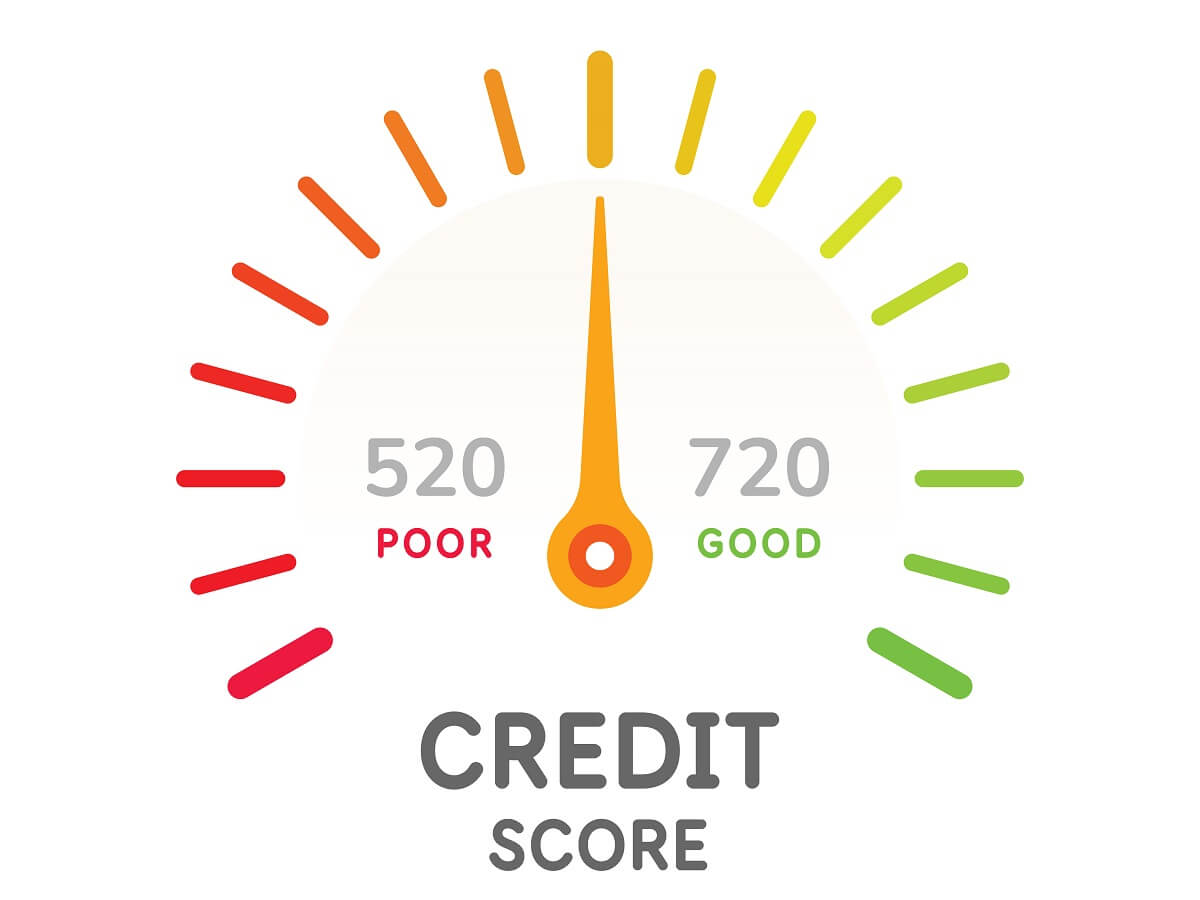
Prime auto loans are extended to individuals with excellent or good credit scores, typically 700 or higher. These borrowers have demonstrated a history of responsible borrowing and prompt repayment, so lenders reward them with lower interest rates and better loan terms.
On the other hand, subprime auto loans cater to individuals with lower credit scores, often below 620. Subprime loans come with higher interest rates and may have stricter credit requirements.
Key differences between prime and subprime car loans
Here are the main differences between prime and subprime car loans:
1. Difference in car interest rates
Prime car loan: Prime car loans offer lower interest rates compared to subprime loans due to the lower risk associated with borrowers who have strong credit histories. The table below explains some typical interest rates you can expect for a new or used car loan:
Let’s say you want to purchase a new car worth ₹8 lakhs and opt for a prime auto loan at an interest rate of 8.65%. Using a car loan EMI calculator, you can easily find that your monthly EMI payment would be approximately ₹16,519 for a five-year repayment term.
Subprime car loans: Subprime car loans come with higher interest rates, as lenders perceive borrowers with lower credit scores as higher-risk individuals.Suppose you need to finance a used car worth ₹5 lakhs and qualify for a subprime auto loan at an interest rate of 16%. Using a car loan EMI calculator, you can determine that your monthly EMI payment would be approximately ₹12,199 for a five-year repayment term.
2. Credit requirements
Prime car loans are offered to individuals with excellent or good credit scores, typically above 700. Lenders consider these borrowers low-risk due to their responsible financial behaviour and prompt repayments.
Whereas, subprime car loans cater to individuals with lower credit scores, typically ranging from 580 to 619. These borrowers may have limited credit histories or past financial difficulties, resulting in lower credit scores.
3. Loan terms and options
Prime car loans generally offer more favourable loan terms, such as longer repayment periods and lower down payment requirements. Lenders trust prime borrowers to meet their financial obligations consistently.
On the other hand, subprime car loans often come with stricter loan terms due to the higher risk associated with borrowers with lower credit scores. These terms may include shorter repayment periods and higher down payment requirements.
4. Approval requirements
Prime loans generally demand a robust credit history, steady income, and lower debt-to-income ratios. In contrast, subprime loans are more flexible, accommodating individuals with imperfect credit histories or less stable incomes.
Conclusion
Understanding the difference between prime and subprime car loans is crucial when considering financing options for your new car. Before making a decision, it is essential to assess your financial situation carefully and explore the loan options available to you.
If you are looking for a car loan with low interest rates, explore Mahindra Finance. We offer car loans with up to 100% ex-showroom funding. Plus, you don’t need to produce many documents, making the process hassle-free.
FAQs
Q: What is the best credit score for a car loan in India?
A: For obtaining a car loan, banks usually look at a credit score of 750 or higher to consider you for one. A higher score can lead to more favourable loan terms, including lower car interest rates.
Q: How to use a car loan EMI calculator?
A: You can use an online car loan EMI calculator to determine your monthly instalment accurately. To use a car loan EMI calculator, input the loan amount, car interest rate, and tenure. This will automatically calculate your monthly car loan instalment.
Q: Is it possible to improve my credit score before applying for a car loan?
A: Yes, you can do this by making timely bill payments, reducing outstanding debt, and maintaining a good credit utilisation ratio.
Q: How does the down payment affect my eligibility for a car loan?
A: A down payment affects car loan eligibility by reducing the loan amount, lowering risk, and potentially leading to better loan terms and approval chances.




 Quick Pay
 Apply Now
 Grievance & Support