



























































Quick Summary:
Get Quick & Easy Car Loan with Mahindra Finance!

Four Main Types of Electric Cars:
- BEV (Battery Electric Vehicle): 100% electric. You plug it in to charge. Best for daily city driving with zero emissions
- PHEV (Plug-in Hybrid): A mix of electric and petrol. You can plug it in for short electric-only trips. Best for All-purpose driving, electric for commutes, petrol for long trips.
- HEV (Hybrid Electric Vehicle): A “self-charging” hybrid. Uses a petrol engine assisted by an electric motor. You cannot plug it in. Best for better fuel economy than a regular car without needing a charger.
- FCEV (Fuel Cell Electric Vehicle): Runs on hydrogen, refuels in minutes, and emits only water. Best for future-focused drivers in areas with hydrogen stations.
How to Choose Your EV:
- Driving Habits: Pick a BEV for city driving, or a PHEV for frequent long journeys.
- Charging: You can charge at home (slowly or quickly with a special outlet) or use public DC fast chargers (0-80% in about 30 mins).
- Budget: EVs cost more upfront but save you money on fuel and maintenance. Government subsidies like the FAME II scheme help lower the initial price.
Why Go Electric?
- Save Money: Lower running costs (electricity is cheaper than petrol) and less maintenance.
- Go Green: Reduce air pollution with zero or low tailpipe emissions.
- Better Drive: Enjoy a quiet, smooth, and powerful performance.
Exploring Types of Electric Cars: A Detailed Guide
India is rapidly moving towards sustainable mobility with electric vehicles (EVs). The government aims for EVs to make up 30% of all passenger vehicle sales by FY 2030, supported by subsidies, financial aid, and investments in charging infrastructure.
By late 2025, EV sales in India increased at an exceptional rate, driven by falling prices, a wider variety of models, and a stronger commitment to cleaner air. Buyers now have more options than before, including fully electric cars that offer a quiet and emission-free ride and hybrids that combine petrol reliability with electric efficiency.
This electric vehicle guide explores the different types of electric cars, the EV charger types that power them, and how to choose one suited to your lifestyle, budget, and driving needs.
Types of Electric Cars: A Quick Snapshot
| Type of Electric Car | Power Source | Charging Method | Notable Benefit | Examples |
| Battery Electric Vehicle (BEV) | Battery only | External EV charger | Zero tailpipe emissions | Mahindra BE 6, Tesla Model 3 |
| Plug-in Hybrid Electric Vehicle (PHEV) | Battery + Petrol engine | External EV charger & fuel pump | Can run short trips on electricity | Toyota Prius Prime, Volvo XC60 Recharge |
| Hybrid Electric Vehicle (HEV) | Internal battery + Petrol engine | Self-charging (no external plug) | Better fuel economy than petrol cars | Toyota Camry Hybrid, Honda City e: HEV |
| Fuel Cell Electric Vehicle (FCEV) | Hydrogen fuel cell | Hydrogen refueling | Emits only water vapour | Toyota Mirai, Hyundai Nexo |
What Are the Different Types of Electric Cars?
Battery Electric Vehicles (BEVs)
All-electric vehicles, or BEVs, run solely on electricity using an electric drivetrain powered by a large battery pack. They charge by connecting to the electrical grid, similar to a smartphone.
Key components of a BEV include the battery, electric motor, inverter, control module, and drivetrain. Pressing the accelerator adjusts the motor’s speed through the inverter, while braking or deceleration activates regenerative braking, allowing the motor to act as a generator and send energy back to recharge the battery.
Benefits of Using BEVs:
- Zero emissions: No tailpipe emissions, making them the cleanest cars on the road.
- Lower running costs: Electricity is generally cheaper than petrol.
- Smooth, silent drive: Instant torque delivers an exceptionally quiet and responsive ride.
- Energy efficiency: Converts over 85% of the electrical energy into motion, which is far more than internal combustion engines.
Popular BEVs in the Market:
Mahindra’s BE 6 and XEV 9e, Tata Nexon EV, and Tata Tigor EV are designed for both city driving and long-range comfort.
Suggested Read: The Most Affordable Electric Cars In India
Plug-in Hybrid Electric Vehicles (PHEVs)
PHEVs, often called series hybrids, use both an electric motor and a conventional engine. They can run on electric power, petrol, or a combination of both, giving drivers flexibility. The onboard battery pack can be recharged externally using an electric power source or internally through regenerative braking and the engine itself.
PHEVs operate in at least two key modes:
- All-Electric Mode: Runs solely on its electric motor and battery, producing zero emissions until the battery charge runs out.
- Hybrid Mode: Switches between engine and motor for optimal efficiency.
Benefits of PHEVs:
- Fuel Efficiency: The electric motor supplements the engine.
- Lower Emissions: Short commutes can be fully electric.
- Flexibility: Clean electric travel or rely on petrol.
- Enhanced Performance: Combined power sources improve acceleration and handling.
Well-Known PHEVs in the market:
Toyota Prius Prime, BMW 330e, Volvo XC90 Recharge, Porsche Cayenne E-Hybrid.
Hybrid Electric Vehicles (HEVs)
HEVs are often called series or parallel hybrids. Unlike PHEVs, HEVs can’t be plugged in. They rely primarily on a petrol engine but use a small electric motor to improve fuel efficiency. The motor’s battery charges automatically through regenerative braking, capturing energy generated when the vehicle slows down and using it to assist the engine during driving.
Key Benefits and Limitations
Benefits:
- Better fuel efficiency than conventional vehicles.
- No need for plug-in charging; battery charges automatically.
- Ideal for city and highway driving.
- Lower carbon emissions.
Limitations:
- Still reliant on gasoline, so not zero-emission.
- Slightly higher upfront cost compared to standard cars.
- The battery adds some weight, which can affect efficiency.
Leading HEVs in the Market:
Toyota Camry Hybrid, Honda Accord Hybrid, Maruti Suzuki Grand Vitara Hybrid, and Hyundai Tucson Hybrid.
Suggested Read: Best Commercial Electric Vehicles : Top EVs for Businesses
Fuel Cell Electric Vehicles (FCEVs)
FCEVs, often called zero-emission vehicles, use hydrogen fuel cells to generate electricity on board. The chemical energy stored in hydrogen is directly converted into electrical energy, which powers the electric motor without any combustion. They feature key components such as an electric motor, a fuel cell stack, a hydrogen storage tank, a battery with a converter, and a controller.
Environmental Aspects and Benefits
- Zero tailpipe emissions: The only byproduct is water vapor.
- Quick refueling: Hydrogen tanks can be filled in just a few minutes.
- Long driving range: Comparable to petrol vehicles, making FCEVs practical for longer trips.
Popular FCEV Models:
Toyota Mirai, Hyundai Nexo, Honda Clarity Fuel Cell, Hyundai Tucson FCEV, Riversimple Rasa
How to Choose the Right Type of Electric Car for Your Needs
Choosing the right EV based on your driving habits, lifestyle, and long-term goals. Here’s how to evaluate the options effectively:
Consider Your Driving Habits
- City commuters (under 100 km daily): BEVs are ideal for short, frequent trips.
- Frequent long-distance travelers: PHEVs or FCEVs provide flexibility.
- Urban drivers: Benefit from regenerative braking and charging access.
- Rural or remote users: PHEVs offer convenience when chargers are limited.
Assessing Charging Infrastructure
India’s public charging network is expanding rapidly, especially across highways and Tier-1 cities. There are three main EV car charger types:
- Level 1: Standard 120V outlet (slow but convenient for overnight home charging).
- Level 2: 240V (faster and ideal for home or workplace use).
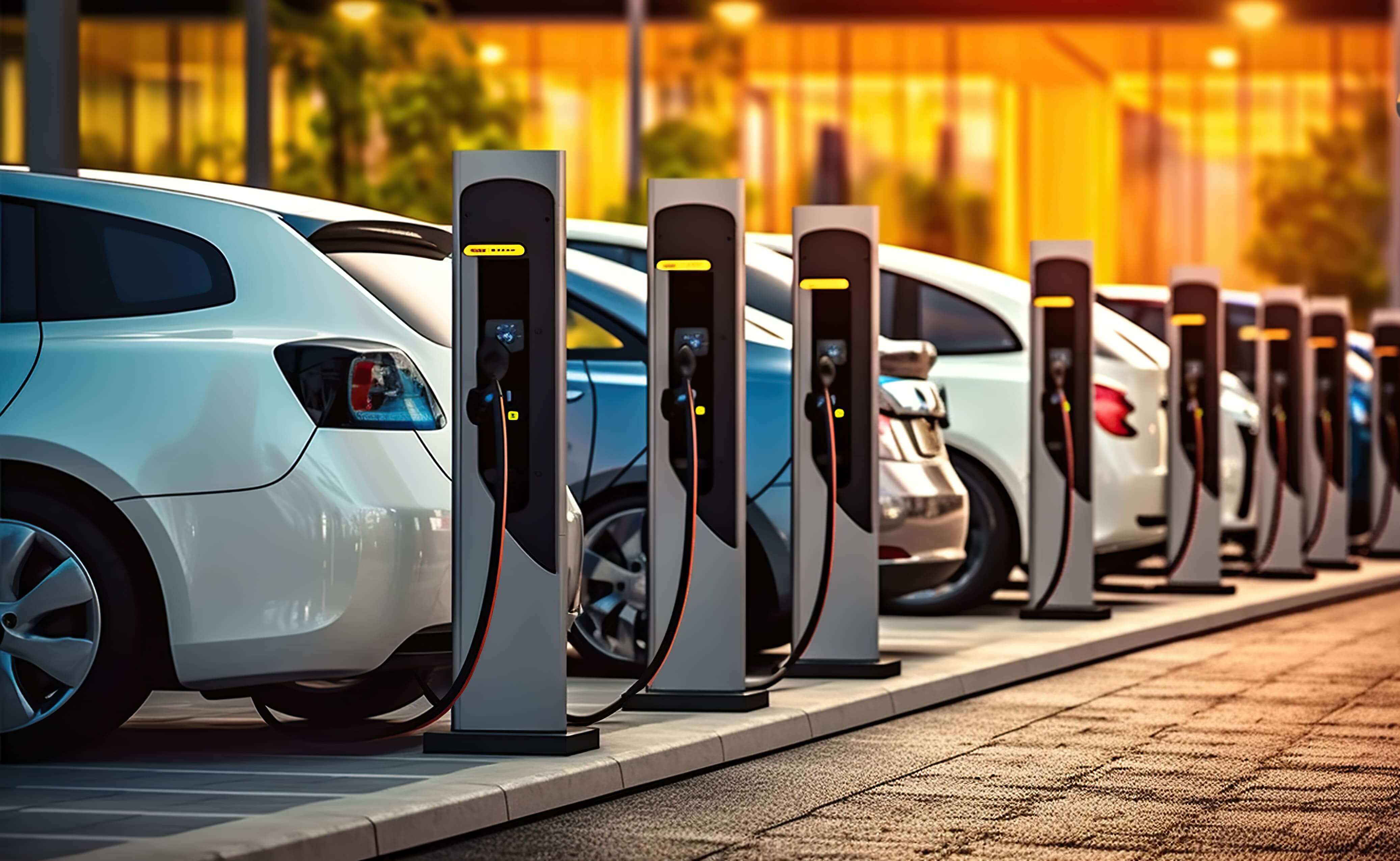
- DC Fast Charging: Found at public stations, recharges 80% of the battery in 30–40 minutes.
Budget and Long-Term Savings
While electric vehicles may cost more upfront, the lower fuel and maintenance costs make them cheaper in the long run. Batteries last several years, and EVs have fewer parts that wear out.
Additionally, government schemes under India’s FAME II and various state EV policies offer incentives such as reduced road tax, registration fee waivers, and income tax deductions on EV loans under Section 80EEB.
Why Are Electric Cars Becoming Popular?
Environmental Benefits
EVs help reduce carbon emissions and air pollution. Every BEV on the road replaces a gasoline car that emits CO₂. And as grids become greener, EVs indirectly run on renewable sources, making them even more sustainable.
Technological Advancements
Modern EVs feature longer-lasting, faster-charging batteries, with solid-state technology promising further gains in range and safety. While EVs’ performance and comfort are on par with or better than those of petrol-powered cars, expanding charging networks are easing range anxiety.
Financial Incentives
Financial incentives, such as rebates, reduced road taxes, and free parking, are offered to EV buyers. Additionally, with fewer maintenance needs and no fuel costs, EV owners save thousands over time.
Where to Buy Electric Cars?
Online Marketplaces
Platforms like Mahindra Electric’s official site allow you to explore new and upcoming EV models. Get convenient options for comparing features, financing, and availability.
Dealerships and Showrooms
Visiting a dealership allows buyers to get a real feel of an EV’s performance, comfort, and features. Many brands now have specialised EV experience zones. You get special dealer incentives, trade-in options, and financing solutions.
Conclusion
Choose your ideal electric car based on your lifestyle, driving patterns, and sustainability goals. Whether it’s a fully electric BEV for emission-free city driving, a PHEV for balanced long trips, or a futuristic FCEV, each category has something unique to offer.
As charging networks expand and technology evolves, electric cars are becoming more practical, affordable, and accessible. For those considering financing options or exploring ways to make EV ownership more manageable, Mahindra Finance offers flexible car loan options to support your journey toward sustainable transportation.
FAQs
Q1. What is a Battery Electric Vehicle (BEV)?
A BEV is an all-electric car that runs solely on electricity from a battery pack with zero tailpipe emissions, charging via the electrical grid like a smartphone.
Q2. Can I charge an electric car at home?
Yes, you can charge at home using Level 1 (standard 120V outlet) for overnight charging or Level 2 (240V) for faster charging at home or workplace.
Q3. Are electric cars more expensive to maintain than traditional cars?
No, EVs have lower maintenance costs than traditional cars as they have fewer moving parts that wear out and don’t require oil changes or fuel expenses.
Q4. How do EVs perform in Indian weather conditions?
EVs perform well in Indian conditions, with only about 5% range reduction at 90°F (32°C) due to air conditioning use, though extreme temperatures above 100°F can have a greater impact.
Q5. What is the battery warranty and approximate replacement cost in India for EV?
Most EV batteries come with warranties up to 8 years or 1.6 lakh kilometers, and replacement costs range from ₹1.5-5 lakh for small/mid-size EVs and ₹6-12 lakh or more for premium models.
Q6. What government subsidies are available when buying an EV in India?
Under the revised FAME II scheme, buyers can get ₹10,000 per kWh subsidy, along with state-level benefits like reduced road tax, registration fee waivers, and income tax deductions on EV loans under Section 80EEB.




 Quick Pay
 Apply Now
 Grievance & Support